We are public sector buying specialists, committed to reducing government spending and to bridging the gap between local authorities and quality enterprises.
An independent B2B knowledge resource covering construction, building security, and industrial operations.

Our Expertise
We are public sector buying specialists, committed to excellence and securing best value for money.
We have almost a decade of experience working directly with central and regional government.
Experience driven and forward focused; we enhance performance and reduce costs through innovation.
Research and development keeps us ahead of the curve and is fundamental to our unique approach.
Construction & Building
Building projects usually involve decisions that appear to be straightforward, but can lead to big issues if not handled properly. You might specify materials and not bother checking load requirements. You may wait until construction starts to identify your CDM duty holders. You may choose to lock in your design and then consult the approved documents.
This section deals with construction materials, building regulations, procurement, and safety on site. The emphasis is on getting the right decisions when the opportunity presents itself.
Read the Construction & Building guide →
Building Security
On many sites, the physical security is inadequate. While security ratings such as LPS 1175 and PAS 24 have specific requirements, and are designed to address specific security challenges, they are often selected by individuals that are unaware of the testing and the security challenges that the ratings address.
This section deals with elements of security such as the ratings for doors and windows, access control, perimeter security, and the associated standards. It is applicable to those involved with the planning, design or procurement of security for the commercial, industrial or residential property.
Industrial Operations
There is a clear understanding of the risks associated with the components of most industrial operations, such as lifting equipment and machinery, and the associated regulations – such as LOLER, PUWER and SEMA. Most safety incidents on industrial sites are not related to the regulations being insufficient, but are due to a failure to adequately implement the regulations.
This section deals with the requirements of a thorough examination under LOLER, the inspection of racking systems and the management of safety loads, PUWER compliance relating to machinery, and the safety of industrial operations and the equipment therein.
Read the Industrial Operations guide →

Metals and Materials
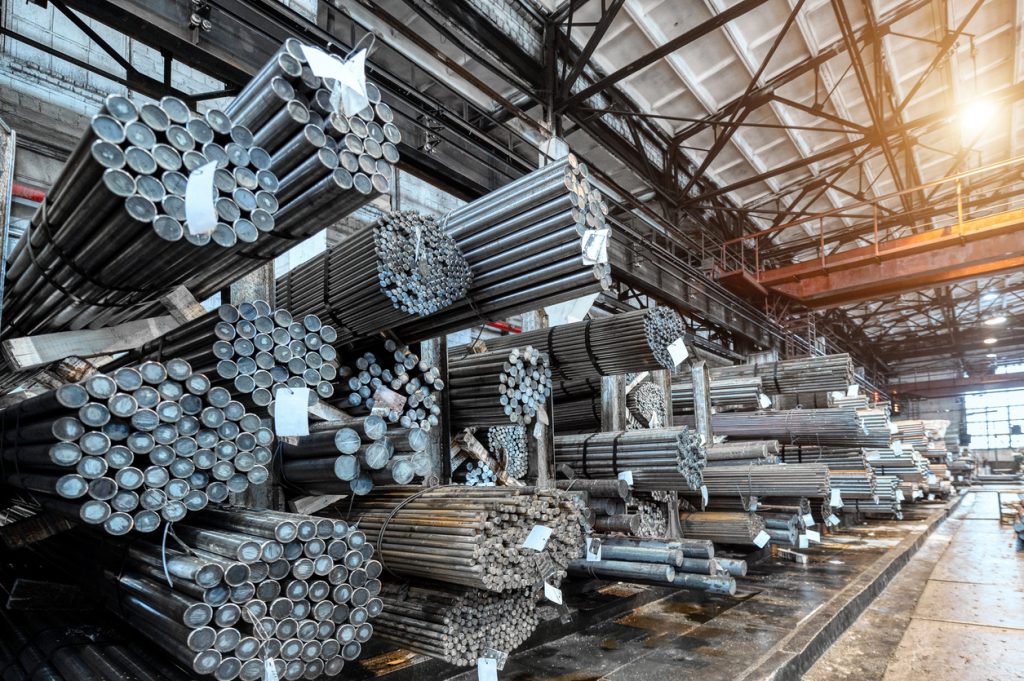
There are many kinds of metals and how they behave when under load or in the presence of a corrosive environment. Stainless steels, titanium alloys, aluminum, and structural steels all have different grades. When specifying S355 J0 for a specification requiring J2, or when specifying 304 stainless in a chloride environment, failures will result after an unknown period of time.
This section will discuss selecting grades of steel, titanium grades in the aerospace and medical sectors, titanium grades in the industrial sector, aluminum and its alloys, and certification of materials to EN 10204. This is a guide for the engineer and procurement lead who is specifying or purchasing materials for supply and/or safety-critical work as well as general industrial work.

Construction Security
Security doors protect your building’s weak points. Start with your risk assessment – burglars look for easy targets. The right door turns them away.
Steel security doors come in different grades. SR2 suits basic sites. SR3 stops determined attacks. SR4 protects high-value areas. Match the grade to your needs and budget.
Locks make a big difference. Multi-point locking systems spread the force of attacks. Anti-snap cylinders block common break-in methods. Keep spare keys secure – most break-ins use stolen keys.
Think about daily use too. Fire escape rules still apply. Staff need quick access in emergencies. Balance security with practical needs. Simple systems work better than complex ones.
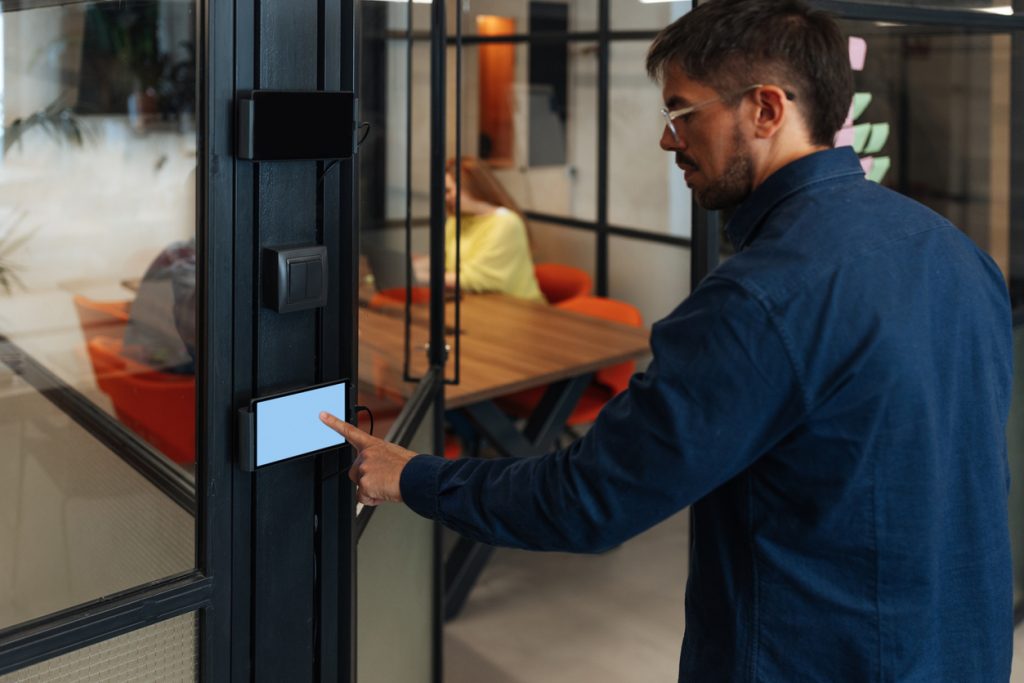
Add electronic access control for better security. Cards or fobs track who enters. Systems log all access attempts. You’ll spot suspicious patterns quickly. Lost cards get cancelled instantly.
CCTV near doors deters trouble. Cameras catch attempts to force entry. Recording systems provide evidence if needed. Signs warning of CCTV stop many thieves.
Regular maintenance keeps security working. Check hinges and locks monthly. Oil moving parts. Replace worn items before they fail. Good care makes doors last longer.
Modern doors link to building systems. Fire alarms trigger automatic unlocking. Time locks control access periods. Central systems monitor everything. Updates happen remotely.
Backup power keeps security running. Battery systems bridge power cuts. Manual override systems provide emergency access. Test these systems regularly.
Good security starts at the door. Pick the right grade. Install it properly. Maintain it well. Train your people. Simple steps prevent big problems.
We’ve worked with some of the best companies.
Construction: Engineering and Installation
Modern warehouse cantilever racking systems encompass various configurations, from selective pallet racks offering complete accessibility to high-density storage solutions maximizing space utilization. The systems allow operators to change beam heights on strong frames while including safety mechanisms built for diverse material handling needs.
Extensive planning must occur to integrate proper heavy duty cantilever racking with lifting equipment since parameters including lift height requirements and load capacity and operational patterns and aisle width dimensions must be taken into account. The equipment includes protective guardrails and automatic braking systems together with load indicators for safety measures. Because of regular maintenance programmes racking and lifting equipment operate optimally with high safety standards.
Outdoor storage creates problems that indoor racking doesn’t have to deal with. Outdoor cantilever racking is built from hot-dip galvanised or powder-coated steel to handle the exposure — rain, UV, temperature shifts — without rusting out or weakening over time. The open-arm design still applies: long stock like timber, pipe, and steel sections loads and unloads without obstruction, the same as an indoor system. Ground anchoring and base plates handle uneven or softer yard surfaces. If the yard takes heavy vehicle movement, column guards are worth adding. It’s a practical solution for builders’ merchants, timber yards, and any site that can’t bring all its stock inside.
Blog
How often should I inspect lifting equipment?
Check your lifting equipment before every use. Look for wear on chains, ropes and hooks. Watch for rust or damage. Get a qualified inspector to do a thorough check every 6 months. Keep detailed records of all inspections. Replace any worn parts immediately – safety comes first. The law requires regular inspections, but smart operators go beyond the minimum. Your team’s lives depend on well-maintained lifting gear.
Are load cells are used for accurate weight monitoring and security
Different kinds are applicable to different jobs. Compression load cells are suitable in weighing at rest. Load cells that are used with suspended loads are tension load cells. Shackle load cells can be attached with ease to rigs. Select the type that is compatible with your operation.
What security rating do I need for my site doors?
Your doors need to match your risk level. A basic construction site needs LPS 1175 SR2 as minimum. High-value sites should use SR3 or SR4. Talk to your insurer – they often have specific requirements. The right rating protects your assets and keeps your premiums down. Don’t forget about hinges and locks – they need the same security level as the door itself.